Sutajio
Japanese for studio, workshop
Where you will find Japanese inspired arts and crafts classes
Suminagashi
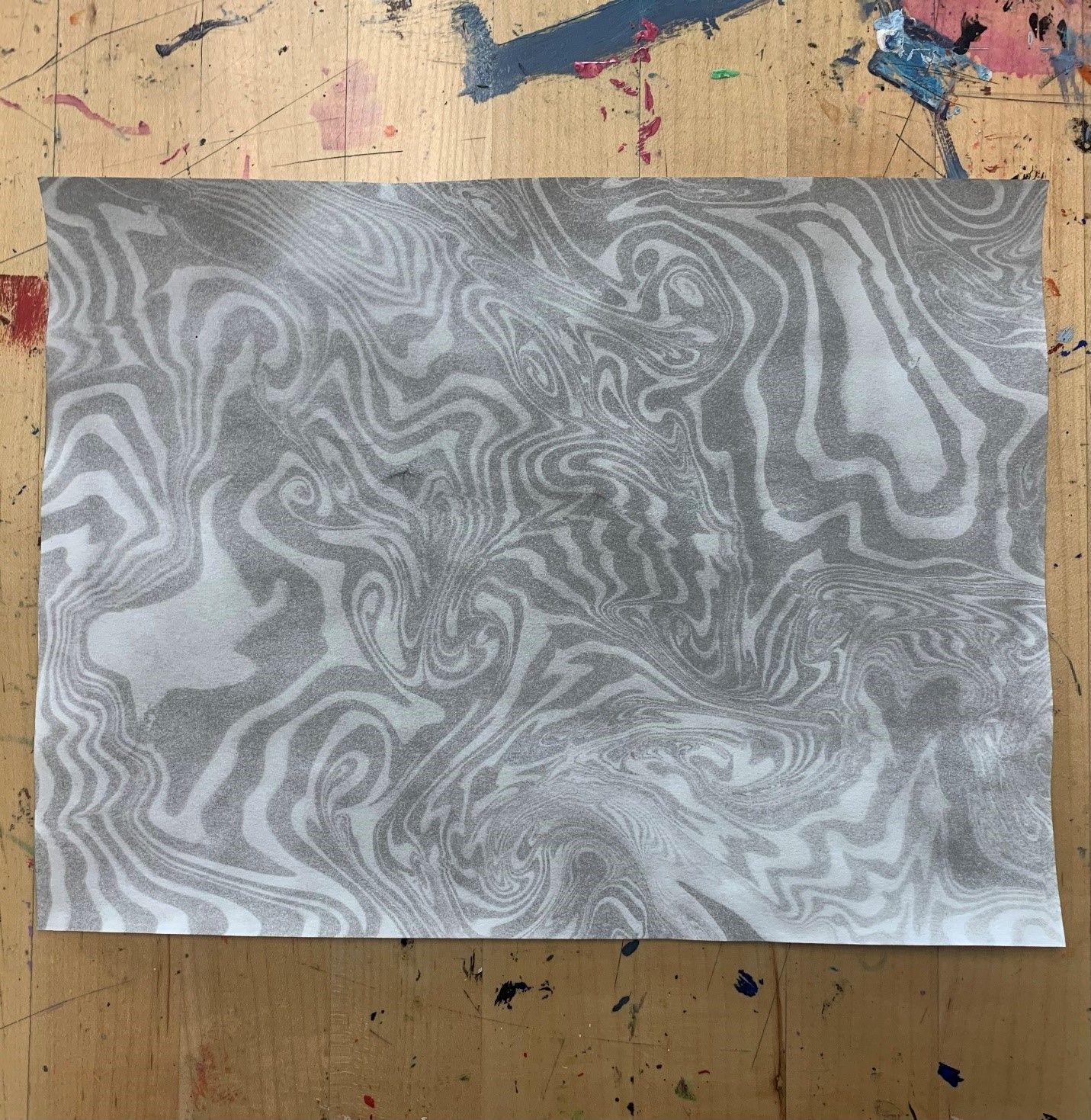
Suminagashi, which translates to “floating ink” in Japanese, is a traditional marbling technique that creates floating patterns on water to transfer to paper or fabric.
In this class we will use traditional Sumi inks and rice paper in a meditative practice. Once papers dry, they can be used in bookbinding, scrapbooking or frame as artwork.
(pre-teen, teen and adult)
nerikomi
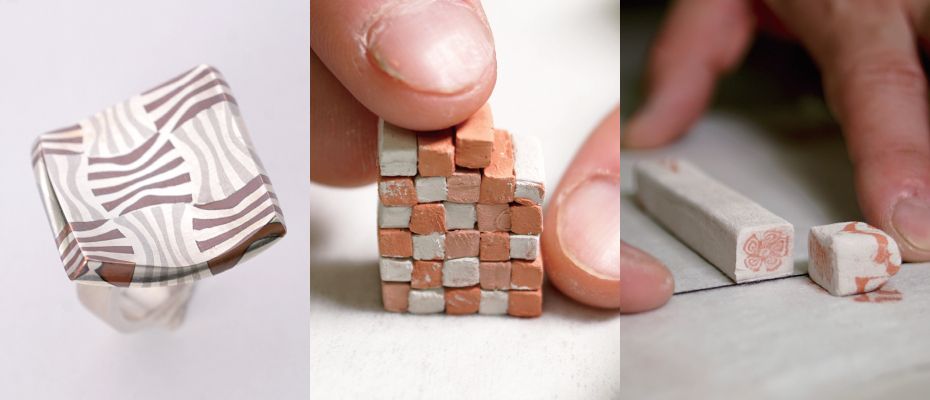
Nerikomi also known as neriage, is a decorative pottery technique that originated in Japan. It allows artists to create stunning visual patterns by stacking different colored clays and then slicing through the layers to reveal the designs. This methos emphasizes the internal structure of the clay, making the patterns resilient and integral to the piece rather than merely surface decorations.
We will be using naturally colored air dry clay in stone, white and terracotta to achieve the nerikomi affects.
(teen-adult)
kintsugi
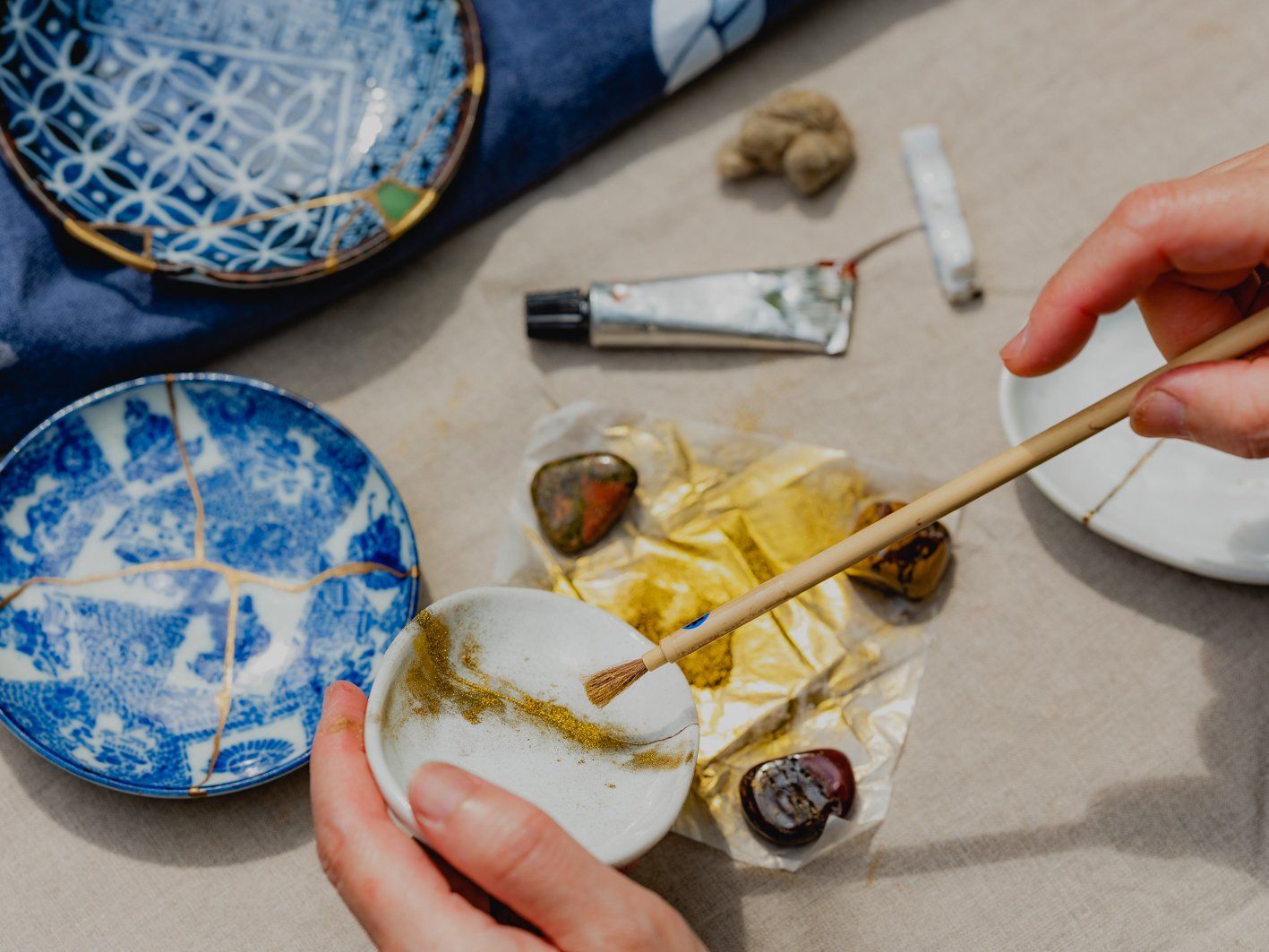
The kintsugi technique is an extension of the Japanese philosophy of wabi-sabi, which sees beauty in the incomplete and value in simplicity. This centuries old traditional Japanese technique repairs ceramics with lacquer and a metal powder that is usually made from gold or silver.
In this class we will break our ceramics to mend together. We will repair with pigments and mixtures.
(teen-adult)
Kinusaiga
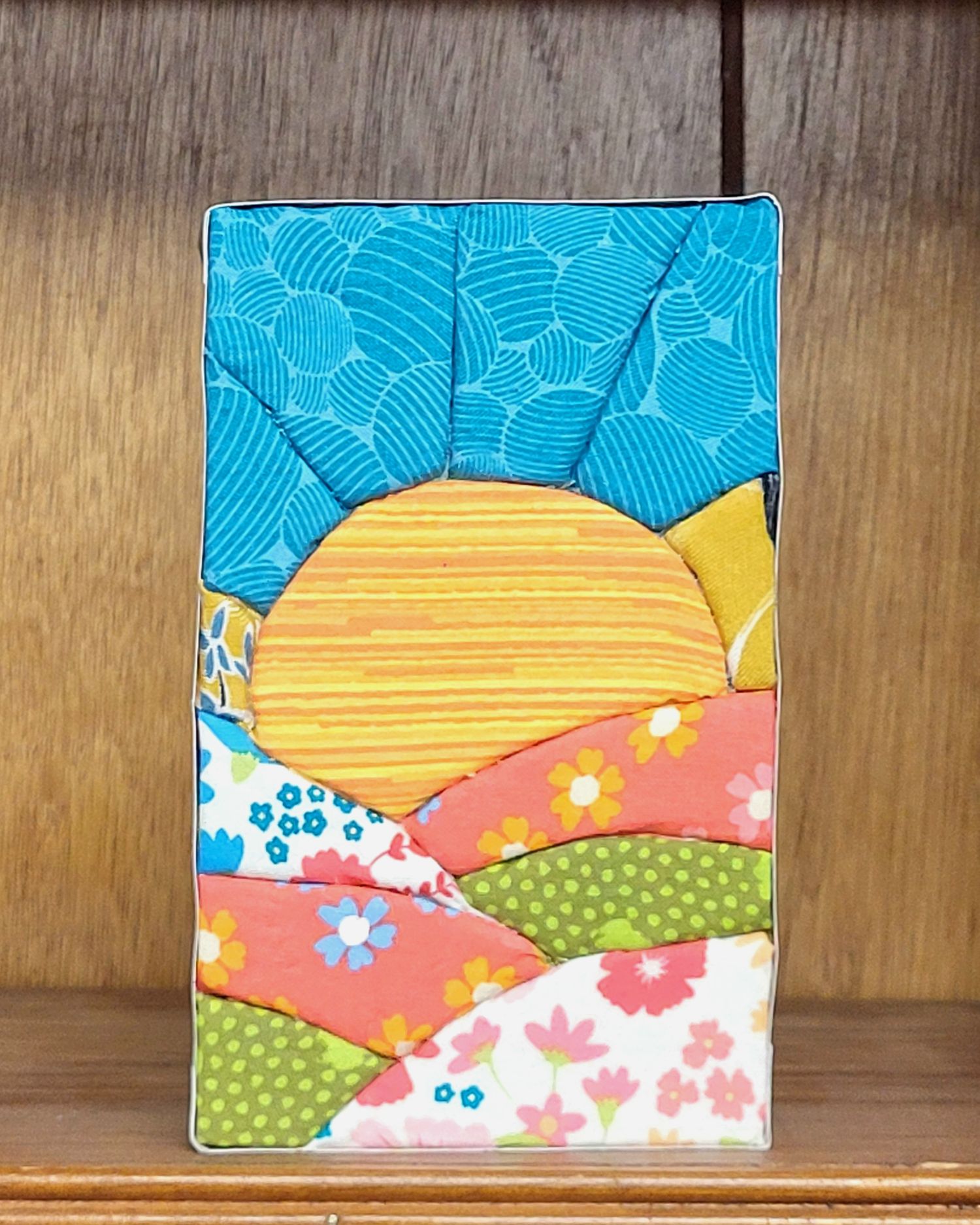
Kinusaiga is a contemporary Japanese art form that combines elements of traditional textile techniques with modern materials and methods. It involves creating intricate fabric collages by pressing fabric scraps into pre-cut grooves on a foam board, resulting in textured, layered artworks without the need for sewing. This technique offers a tactile and visually rich alternative to conventional quilting or embroidery.
Kinusaiga emerged in Japan during the 1980s, attributed to artist Maeno Takashi. Inspired by traditional Japanese textile arts, particularly Oshie (a technique of wrapping padded fabric around wooden forms to create raised images), Maeno adapted this method by using foam boards as a base and fabric scraps as the medium. This innovation allowed for more accessible and versatile creations, making the art form popular among both amateur and professional artists.
Similar to Kimekomi except Kinusaiga is flat 2D and Kimekomi is spherical or a doll and traditionally made on wood.
July 30 - Kinusaiga - 10am - Alice Desmond
Kokeshi Doll
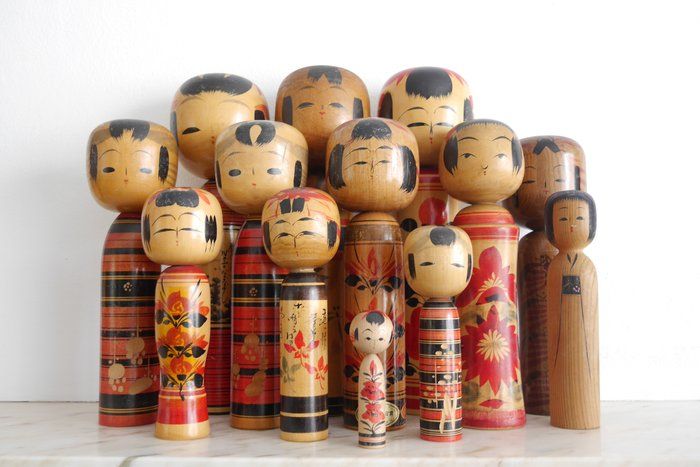
Kokeshi are simple wooden Japanese dolls with no arms or legs that have been crafted for more than 150 years as a toy for children. Originally from the Tohoku region in northern Honshu, kokeshi are handmade from wood, having a simple trunk and head with a few thin, painted lines to define the face. The body often has floral and/or ring designs painted in red, black, and sometimes green, purple, blue, or yellow inks, and covered with a layer of wax. Since the 1950s, kokeshi makers have signed their work, usually on the bottom and sometimes on the back.
At the studio we will dive into the traditional design and painting aspects to include on our giant peg dolls.
joomchi
*Korean paper felting
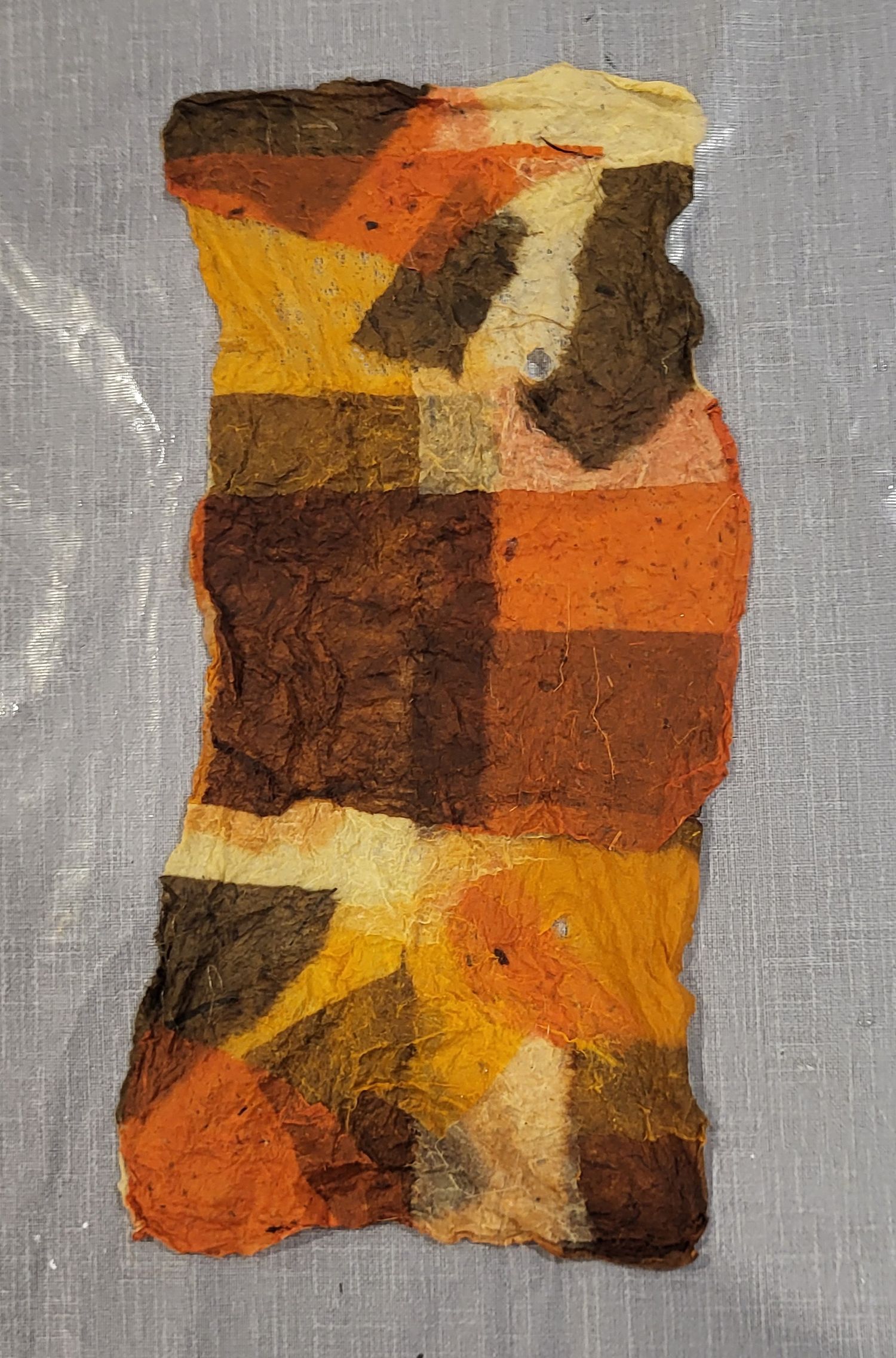
Joomchi is a 500-year-old Korean paper-making technique that uses water to seal several layers of thin, handmade mulberry papers together to form a single, strong sheet. The paper is first wet, then, aggressively gripped, grabbed, stretched, and manipulated until the fibers are broken down, or felted. A major transformation occurs: flat sheets of paper become a very organic, leather-like, almost living form.